Iceland is expensive. There’s no point softening that. But where the “expensive” is isn’t where most people think.
Two people, ten days, your own car
| Item | Amount (EUR) | Note |
|---|---|---|
| Flights (Europe–KEF, return, two people) | 640 | November–March is the cheapest period |
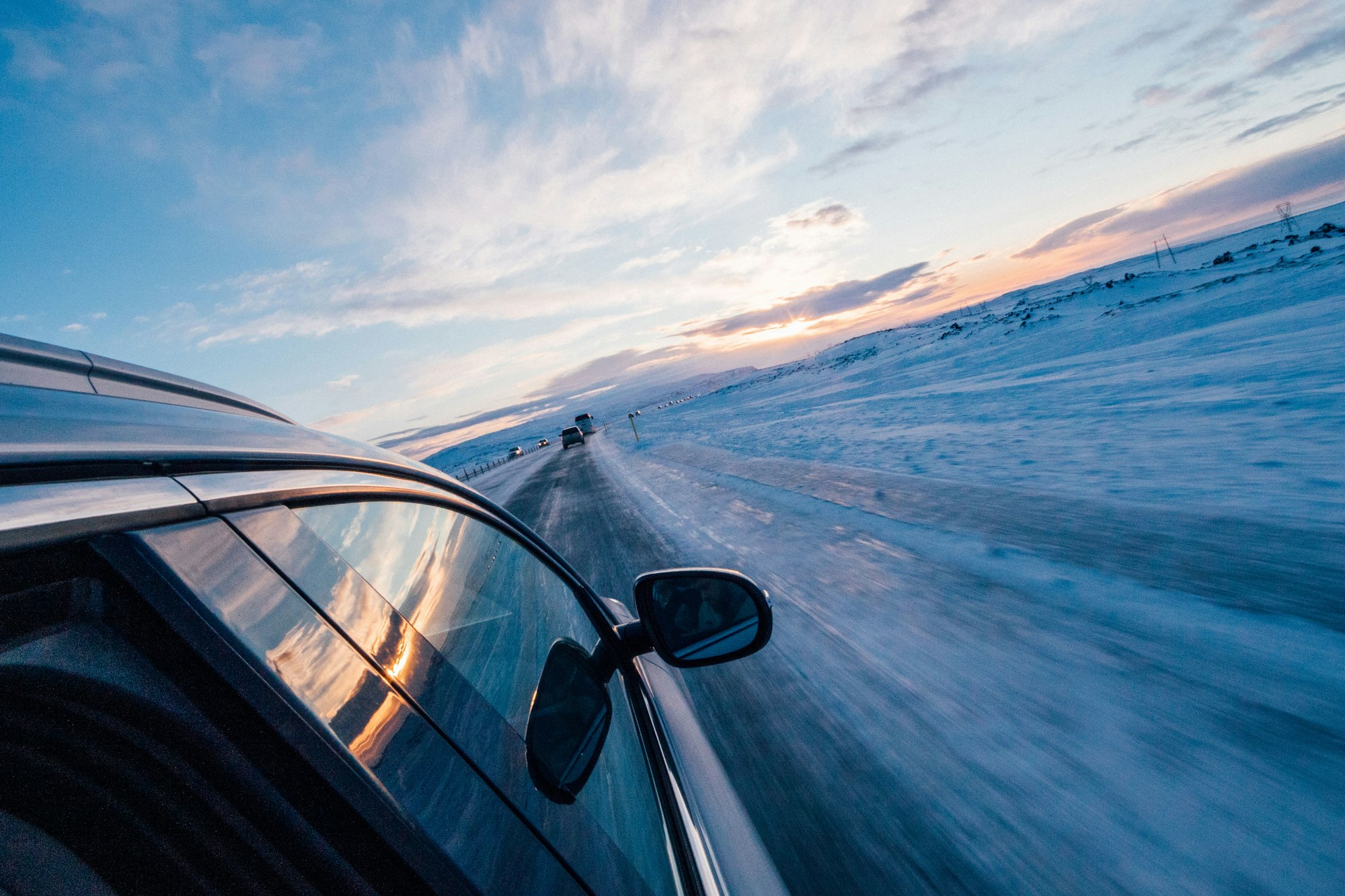
| Car (4×4, 10 days, full insurance) | 1,150 | Don’t hire a 2WD in winter |
| Fuel | 320 | ~2,000 km |
| Accommodation (guesthouse + breakfast) | 1,400 | ~€70 per person per night |
| Groceries | 380 | Bónus and Krónan |
| Restaurants (10 meals) | 460 | Lunch menus are half the price of dinner |
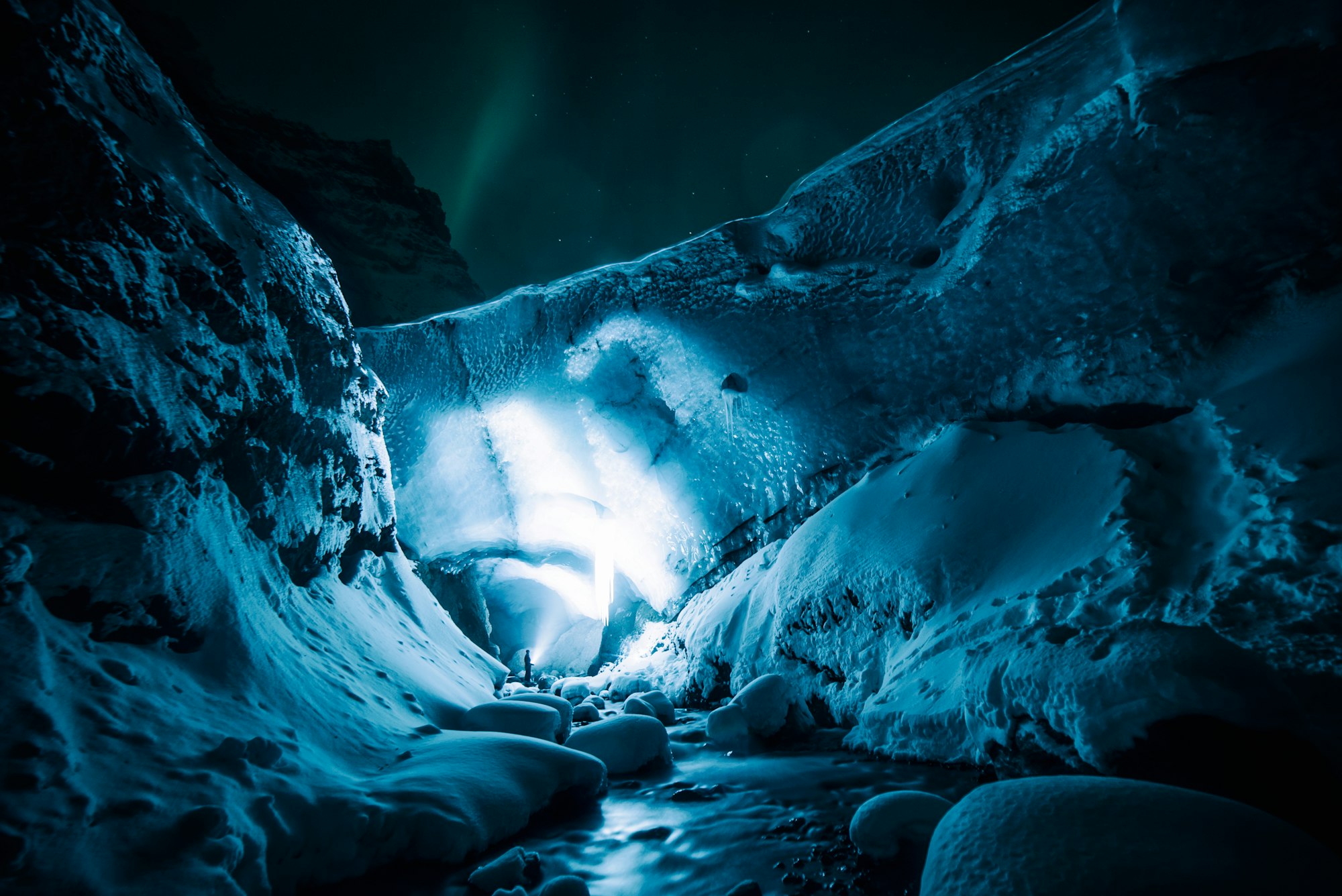
| Pools + museums + tours | 300 | Including one glacier walk |
| Total | ≈ €4,650 | Two people |
Three places worth saving
- Groceries. There can be a twofold difference between Bónus (the one with the yellow pig logo) and a 10-11 in the city centre.
- Lunch. The same fish in the same restaurant: 2,600 ISK at lunch, 5,400 ISK at dinner.
- Alcohol. It’s only sold at Vínbúðin, and it’s expensive. The airport duty-free is open on arrival too, so buy there, as Icelanders do.
Two places not worth saving
Insurance. Don’t head onto the sand plains in the south without sand-and-ash (SAAP) and gravel (GP) cover. A sandstorm strips the paint completely; the bill can reach €6,000.
Shoes. Waterproof boots cost less than a cancelled day.
Winter or summer?
Winter: flights and accommodation 35% cheaper, the lights are possible, the days are short. Summer: every road open, no night, prices at their peak.
If budget is the deciding factor, late September and early February give the best balance.
Note: this story will be updated.
Written by
The person behind icelandify.com. Here I share the experience I’ve gained exploring every corner of Iceland since my first year here, and my passion for photography.
About Tansu →