Ask most people abroad about Icelandic music and the list is short: Björk, Sigur Rós, maybe Of Monsters and Men. Yet in a country of 380,000 people, the density of working musicians is many times the European average, and over the last decade the centre of gravity has shifted completely.
The choral tradition explains everything
Almost every child in Iceland sings in a choir. It leaves a very clear mark on the recordings: polyphonic, breath-led, full but never noisy arrangements. From Laufey’s take on jazz standards to JFDR’s many-layered vocal stacks, you hear the same basic training.
Who are Sigur Rós?
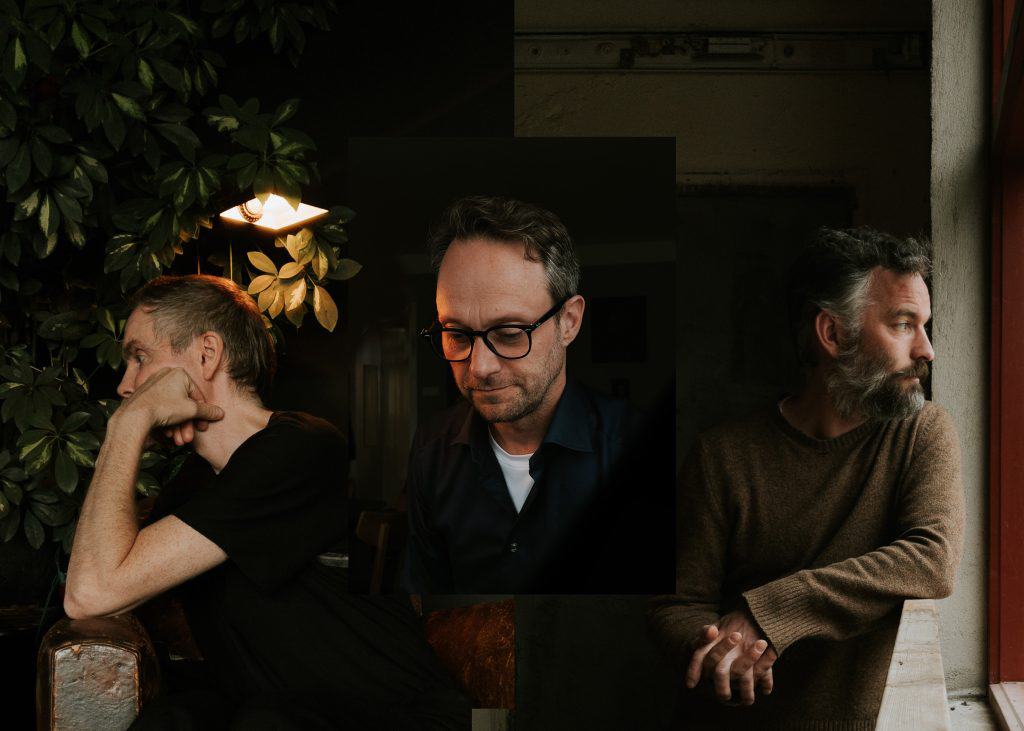
Sigur Rós formed in Reykjavík in 1994 and became one of the most iconic post-rock bands in the world. Their music is woven from ethereal vocals, strings that nod to classical music and deep, emotional soundscapes.
A sound of their own. Frontman Jónsi’s (Jón Þór Birgisson) signature falsetto and his habit of playing electric guitar with a cello bow set Sigur Rós apart from their peers. Their songs usually begin with whisper-quiet, minimal touches and build to huge orchestral crescendos that pull the listener in.
Listening list
- Laufey: Bewitched. The record that opened jazz vocals up to Gen Z.
- JFDR: Museum. Jófríður Ákadóttir’s clearest solo work.
- Hildur Guðnadóttir: Chernobyl. Where the cello meets field recording.
- Kælan Mikla: post-punk and synth; one of the most intense sets at Airwaves.
- Daði Freyr: known for Eurovision, but his work goes much deeper.
- Sin Fang: one of the best examples of the home-recording aesthetic.
Where to listen
The 12 Tónar shop still lets you listen before you buy and hands out recommendations. Not touristy, but a genuine haunt for music lovers.
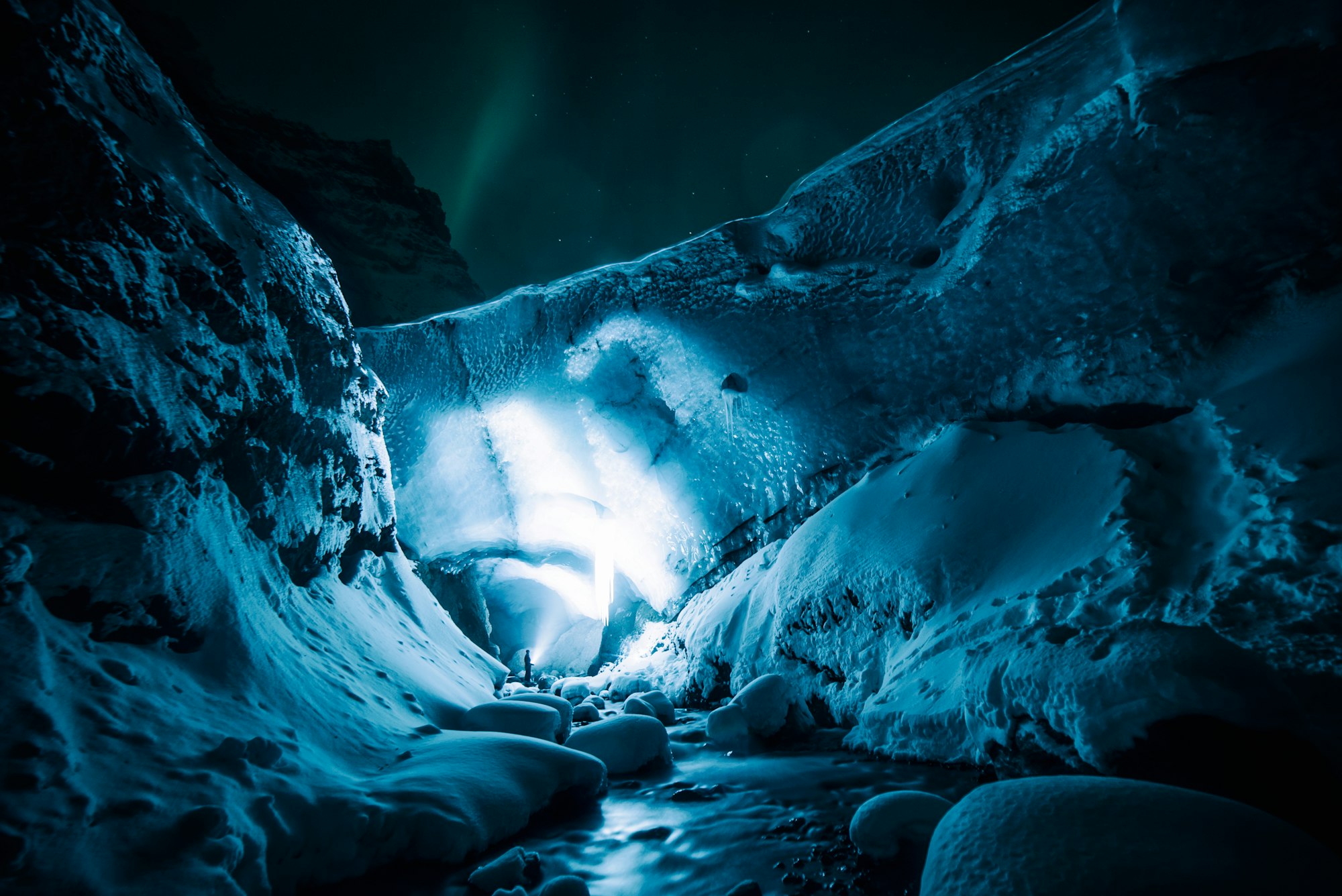
What the new generation shares is that it doesn’t imitate the landscape. They deliberately reject Sigur Rós’s “glacier music” label.
Written by
The person behind icelandify.com. Here I share the experience I’ve gained exploring every corner of Iceland since my first year here, and my passion for photography.
About Tansu →