 Guides
10 days in Iceland: a realistic budget
Item by item, at 2026 prices. Where can you save, and where does trying to save end up costing you?
Tansu 1 min readSearching…
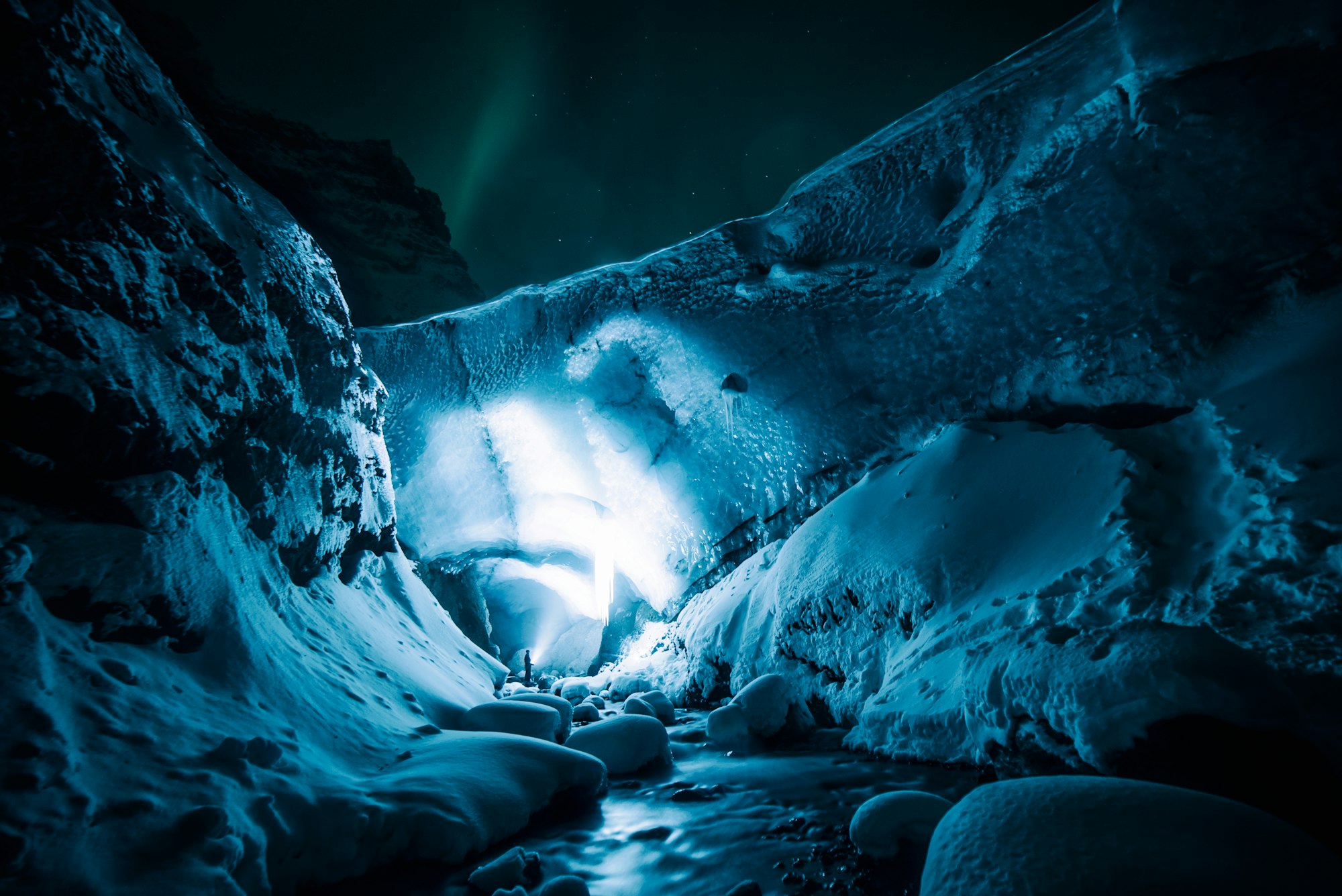
Photo: Unsplash
Practical info
Iceland is expensive, but not where you expect. The car and accommodation eat the money; almost all of the scenery is free.
There are deliberately no absolute figures on this page. Exchange rates, season and demand change prices every year; a number written once and left alone misleads rather than guides. What doesn’t change is the shape of the spending: which cost dominates and which one you can actually do something about.
Roughly speaking: the car and accommodation take most of the total budget, food is entirely in your hands, and activities are optional but grow fast. The scenery, the reason most people come here, is almost entirely free.
A rough breakdown of spending on a one-week summer trip for two with a hire car. Not exact figures but a shape: it shows which cost weighs most.
Accommodation~32%
In summer it books up months ahead
Car~26%
Rental plus extra insurance
Food~16%
Depends on the supermarket/restaurant balance
Activities~12%
Entirely optional
Fuel~10%
The Ring Road alone is 1,322 km
Other~4%
Parking, pool entry, small expenses
Flights not included. Sleeping in a campervan merges accommodation and the car into one cost; in winter the share of accommodation falls while the car’s rises.
Six costs, roughly in order of weight. The line under each is the one move that really makes a difference to it.
Even a small car competes with accommodation day for day. A campervan merges the two into one cost; a 4x4 is only needed if you’re heading into the highlands.
How to spend lessTravel off-season and choose a small car
Outside Reykjavík, prices harden as the options thin out. Guesthouses are well below hotels; in summer both book up months ahead.
How to spend lessBook early, camp, stay outside the centre
Restaurants are expensive, supermarkets aren’t. Doing breakfast and lunch from the supermarket cuts the total noticeably, and eating out in the evening is still possible.
How to spend lessOne meal a day out
The whole Ring Road is 1,322 km, and with detours it easily reaches two thousand. The price per litre is among the highest in Europe.
How to spend lessA shorter route, an economical car
Glacier walks, ice caves, whale watching and diving are each expensive. Waterfalls, beaches, canyons and most natural hot springs are free.
How to spend lessLimit yourself to two paid activities
Keflavík is well connected to Europe and North America, with direct flights from dozens of cities. June–August is the peak; October to February the same route is noticeably cheaper.
How to spend lessShoulder season
This is the side that gets skipped when people talk about budget: Iceland’s real show is free. The things that charge are mostly museums, a few private sites and tours.
Gullfoss, Skógafoss, Dettifoss: entry to the country’s most famous sights is free. At some stops only the parking is paid.
Most beaches, from Reynisfjara to Stokksnes, are open. The only price is staying alert to the waves.
Entry to Þingvellir, Vatnajökull and Snæfellsjökull is free; parking or camping may be charged separately.
From Hveravellir to Námafjall, the steam vents and mud pots can mostly be watched for free from the walking paths.
Some springs are still free; the well-kept ones ask for a small entry fee or donation. Still far below spa prices.
Unfiltered spring water. Buying bottled water is the most pointless way to spend money here.
Gravel roads without insurance. Gravel and sand damage isn’t covered by standard collision cover, and a single incident can cost more than the rental itself. Details are on the getting around page.
A last-minute car. In summer cars get hard to find and prices double. Book the car straight after your flights.

The car should come right after the flights. In summer a last-minute car is both hard to find and double the price.
May and September give you most of summer’s open roads while being noticeably cheaper for accommodation and cars. And the crowds are halved.
Breakfast and lunch from the supermarket, dinner at a restaurant. There’s a Bónus or Krónan in every town; with a ready salad and some skyr, lunch is sorted in ten minutes.
Driving hundreds of kilometres every day pours money into fuel and accommodation. Fewer regions and more stops make a trip that is both cheaper and better.
Glacier walks, whale watching, ice caves: all lovely, all expensive. Pick two and leave the rest to the free scenery.
Guides Item by item, at 2026 prices. Where can you save, and where does trying to save end up costing you?
Tansu 1 min read News
Ferðamálastofa’s annual report shows short city breaks declining and the average stay rising to 6.4 nights.
Tansu 1 min read Guides
CDW, SCDW, GP, SAAP, TP... Which of these abbreviations do you really need, and which are sales talk?
Tansu 1 min read